Source ebike screen for City, Outdoor, and Computer Use
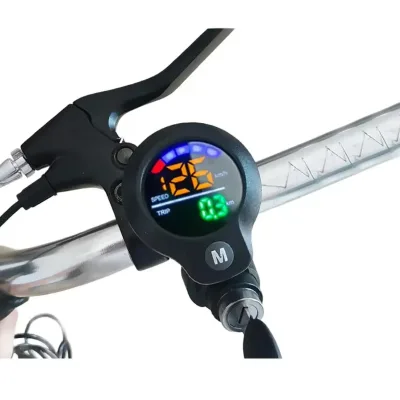
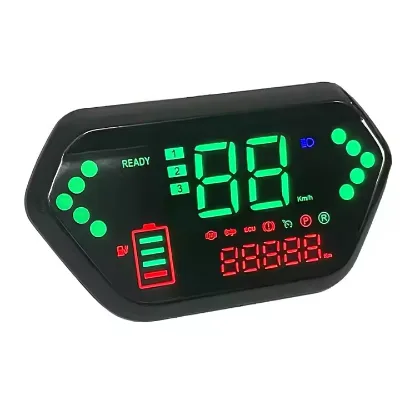
Compare 14 ebike screen options featuring LED displays, waterproof ratings, and multiple voltage supports. These units suit city electric bikes, outdoor rides, and computer integration, with models like P5C and G21 offering customizable features and CE certification for reliable sourcing.
Key considerations
Products List




Comprehensive Sourcing Guide
Electric Bike Screen Sourcing Guide
Procuring an electric bike screen requires distinguishing between general computer displays and specialized units designed for vehicular environments. The available market data indicates a specific focus on LED backlight displays that function as integral components for city electric bicycles. Buyers must recognize that these units are engineered for specific voltage ecosystems, typically supporting 24V, 36V, 48V, and in some advanced configurations, 60V or 72V systems. This voltage specificity is critical, as a mismatch can lead to immediate hardware failure or inconsistent performance during operation.
The physical form factor and material composition of these screens vary significantly across the observed product range. While some units utilize aluminum alloy for durability, others rely on ABS or ABS+PC composites to balance weight and impact resistance. Dimensions range from compact modules measuring approximately 87mm in width to larger assemblies exceeding 129mm. Sourcing decisions must prioritize the exact dimensional constraints of the intended bicycle frame and the specific mounting requirements of the handlebar or dashboard area to ensure a seamless integration.
Product Scope and Observed Listing Signals
The product scope for electric bike screens is defined by their application in both indoor and outdoor environments, necessitating robust construction against varying weather conditions. Listings frequently highlight features such as waterproof capabilities, with specific units rated at IP65 to withstand dust and water jets. These screens are often marketed as essential accessories for electric bikes, providing critical data visualization for the rider. The absence of 3D capabilities and the non-widescreen format suggest a design philosophy focused on clarity and readability of essential metrics rather than multimedia entertainment.
Buyers should observe that the market offers a diverse array of models, including specific designations like P5C, M5, and G21, each with unique dimensional and functional profiles. Some units are explicitly described as waterproof stopwatches or display modules, indicating a dual-purpose utility in timing and data presentation. The presence of customization options suggests that suppliers can tailor the display function to specific branding or data requirements. However, the wide variance in packing methods, from paper to wooden cases, signals that logistics planning must be tailored to the specific model selected to prevent transit damage.
Technical Specifications to Verify
Voltage compatibility is the primary technical hurdle for buyers, as the observed range spans from 24V up to 72V depending on the specific model. A unit rated for 24V/36V/48V may not function correctly on a 60V system, and vice versa. Procurement teams must verify the operating voltage of the target electric bike against the screen's rated input to ensure safe operation. Additionally, the protocol interface, often identified as Uart, must be compatible with the bike's existing controller architecture to facilitate accurate data transmission between the motor system and the display unit.
Environmental resilience is another critical specification that demands rigorous verification. The operating temperature range for these units is typically cited between -30℃ and 60℃, a range that accommodates extreme seasonal variations. Buyers must confirm that the selected screen maintains performance within these thermal limits, as exposure to temperatures outside this band could cause display failure or permanent component damage. Furthermore, the physical dimensions, such as the 100g weight for certain models or the 22.2mm holder dimension, must align with the mechanical constraints of the bicycle's mounting hardware to ensure a secure fit.
Compliance and Safety Documentation
Safety documentation for electric bike screens often includes certifications such as CE, which indicates conformity with health, safety, and environmental protection standards for products sold within the European Economic Area. While some background data mentions ROHS, the primary verified certification in the product listings is CE. Buyers should request current certification documents to ensure the product meets the regulatory requirements of their specific target market. Relying on unverified claims can lead to customs delays or legal liabilities, particularly when importing electronic components into regions with strict electromagnetic compatibility regulations.
Beyond electrical safety, the material composition and construction standards play a vital role in product compliance. The use of materials like aluminum alloy and ABS+PC suggests a focus on durability, but these materials must meet specific flammability and toxicity standards. Some listings reference ISO and SGS standards, which imply a level of quality management and product testing. Procurement teams should verify that the supplier can provide test reports confirming that the materials and assembly processes adhere to these referenced standards, ensuring the final product is safe for consumer use in dynamic riding conditions.
Cost Drivers and Commercial Terms
The cost of electric bike screens is influenced by a complex interplay of material costs, voltage complexity, and customization requirements. Units featuring higher voltage support, such as those handling 72V, or those with advanced waterproofing ratings like IP65, typically command a higher price point. The observed price range in the market spans from $4.2 to $2300, reflecting the vast difference between basic display modules and fully integrated, customizable systems. Buyers must analyze the total cost of ownership, including the potential need for custom packaging or specialized mounting hardware, which can significantly impact the final landed cost.
Commercial terms, including Minimum Order Quantity (MOQ) and lead times, vary widely across the supplier base. The observed MOQ ranges from 1 unit to 1000 units, offering flexibility for both prototyping and large-scale production runs. However, the specific lead time and production capacity are not explicitly defined in the general data, requiring direct negotiation with suppliers. Buyers should clarify whether the quoted price includes the cost of custom branding or specific packing requirements, such as wooden cases, to avoid unexpected expenses during the finalization of the purchase order.
Supplier Qualification and Quality Control
Supplier qualification for electric bike screens should focus on the manufacturer's ability to maintain consistent quality across different voltage and environmental specifications. The presence of multiple product models, such as the M7C-2 and GSHZ, indicates a supplier with a diverse production line. Buyers must verify that the supplier has established quality control processes to ensure that every unit meets the specified operating temperature and waterproofing standards. A supplier with a track record of producing units with CE certification is generally more reliable for meeting international safety requirements.
Quality control checks should extend to the physical integrity of the product, including the material finish and dimensional accuracy. The use of materials like aluminum alloy and ABS requires precise molding and assembly techniques to prevent defects that could compromise the screen's durability. Buyers should request samples to test the actual waterproof rating and verify the operating temperature performance before committing to a large order. Additionally, checking the supplier's origin, such as Guangdong, China, can provide context regarding their manufacturing capabilities and logistical efficiency, though this should not be the sole criterion for selection.
Long-Term Procurement Checks
Long-term procurement success depends on establishing a reliable supply chain that can support ongoing production and potential design iterations. Buyers should assess the supplier's capacity for customization, as the market data indicates that display functions can be tailored to specific needs. This flexibility is crucial for adapting to future changes in electric bike technology or regulatory requirements. A supplier that offers customizable display functions can help buyers stay competitive by integrating new features without the need to switch vendors.
Sustainability and after-sales support are also key factors for long-term partnerships. Buyers should inquire about the availability of spare parts and the supplier's policy on product obsolescence. Given the electronic nature of these screens, ensuring a steady supply of compatible components is essential for maintaining product quality over time. Furthermore, verifying the supplier's commitment to environmental standards, such as those implied by ISO and SGS certifications, can help mitigate risks associated with changing global regulations and consumer expectations regarding sustainable manufacturing practices.
FAQs
What voltage options are available for ebike screens?
Most ebike screens support 24V, 36V, 48V, and 60V inputs. Some models extend to 72V or handle battery voltages above 60V. Ensure your bike's electrical system matches the display's operating voltage range to prevent damage. Always verify the specific voltage rating before purchasing to guarantee compatibility with your electric bicycle's power supply.
Which materials are used for ebike screen housings?
Housings typically use ABS, ABS+PC, or aluminum alloy for durability. These materials provide impact resistance and weather protection for outdoor use. Aluminum alloy offers superior strength, while plastic composites reduce weight. Select the material based on your need for ruggedness versus lightweight design for your specific city electric bike application.
Can ebike screens be customized for branding?
Yes, customization is available for many ebike screen models. Buyers can often request specific display functions or branding elements. This allows for tailored solutions that match your product identity. Check with suppliers regarding the extent of customization options, such as logo placement or interface adjustments, to ensure it meets your business requirements.
What is the waterproof rating for outdoor ebike displays?
Many ebike screens feature an IP65 waterproof rating for outdoor reliability. This protects against dust and low-pressure water jets, ensuring functionality in rain. Some models are designed as waterproof stopwatches or displays for harsh conditions. Verify the IP rating on the product page to confirm suitability for your intended outdoor riding environment.
How do I choose the right ebike screen size?
Select a screen based on your bike's handlebar space and visibility needs. Dimensions vary, with some models measuring around 93mm by 56mm, while others are larger. Consider the holder dimension, such as 22.2mm, to ensure physical compatibility. Choose a size that balances information clarity with a compact profile for your specific electric bicycle model.
Are ebike screens compatible with brushless motors?
Yes, ebike screens are designed to work with brushless motor systems. They display data such as speed and battery status derived from the motor controller. Ensure the display protocol, like UART, matches your controller's output. This compatibility allows for accurate real-time monitoring of your electric bike's performance and battery voltage levels during rides.